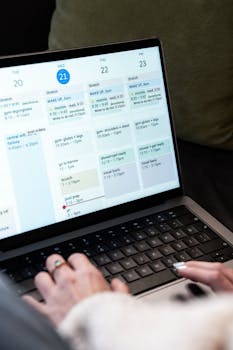
Many people struggle to juggle professional demands and meaningful downtime. Amid routines, keeping a steady work life systems balance can feel just out of reach.
When priorities collide, exhaustion sets in. Smart systems smooth out transitions, reduce brain clutter, and let you shift between roles with fewer distractions.
Read on for tested approaches that simplify decisions and help you stick to healthier habits. Every suggestion fits everyday situations and anchors the concept of work life systems balance in real life.
Building Clear Boundaries with Routines for Reliable Transitions
Establishing repeatable boundaries ensures both work and personal interests receive dedicated attention. A set routine marks the difference between focus and rest.
Firm boundaries, supported by small rituals, guide your brain from “work mode” to “home mode”—helping you maintain a sustainable work life systems balance each day.
Signal Shifts with Physical Actions
Closing your laptop, taking a ten-minute walk, or changing into different clothes can mark the beginning or end of a work block—something your brain recognizes as a cue.
People often say, “I shut all work apps and make tea to tell myself it’s family time”—simple, physical actions reinforce transitions and strengthen the line between working and relaxing.
Copy this move: when you finish a meeting, stand up or visibly move to another chair, signaling to yourself it’s time to switch gears and reset your focus.
Create Visual Reminders in Shared Spaces
Placing a colorful notebook or note on the kitchen table can quickly communicate, “I’m working until this alarm.” Visual cues keep both you and loved ones on the same page.
Use a large calendar or visible clock. Whenever someone forgets a boundary, quietly point to the reminder instead of having to reiterate your needs verbally every time.
Adopt this trick: at 6 PM, flip your workspace light off as a final act. Associating an environment change with personal time supports work life systems balance naturally.
| System | Boundary Tool | Best Time to Use | Immediate Takeaway |
|---|---|---|---|
| Physical Cues | Change clothes, close laptop | Transition between work/personal blocks | Set a “reset” action to anchor each shift |
| Visual Reminders | Desk sign, visible clock | Family/shared space work | Align expectations using clear signals |
| Digital Silence | Phone on Do Not Disturb | Deep focus or rest breaks | Sleep/wake phone modes shrink distraction |
| Environmental Change | Light off, door closed | End of workday or shift | Clear end marks build reliable habit |
| Scheduled Ritual | Evening walk, daily debrief | Before/after transitions | Repeat small rituals to reinforce boundaries |
Choosing Everyday Tools That Actually Reduce Stress
The right systems for work life systems balance let you free up mental space and see priorities at-a-glance. Pick only practical, easy-to-maintain tools.
Simple frameworks and low-friction tools support intentional action, not more busywork. Choose less, use consistently, and let each solution earn its keep.
Stick with Familiar Tools When Energy Is Low
When tired, reach for pen and paper before fancy software. Saying “I’ll just make a list on this sticky note” enables an easy start, low barrier, and quick wins.
Physical lists get checked off faster for many. On busy days, jot three major tasks and one self-care reminder—visualizing commitments supports sustainable work life systems balance.
- Start daily with a single-page notebook: Writing by hand keeps focus tight and removes unneeded clicks and tabs from your day.
- Prioritize one calendar you actually check: Whether a wall calendar or online service, only mark events in one spot so nothing gets missed or double booked.
- Group tasks by location or energy: Write errands on a fridge list and computer work in a digital task app, so you know what fits each moment of the day.
- Use recurring alarms for recurring events: Label phone alarms as “Dinner with family” or “Walk break” to nudge protected rest blocks.
- Declutter digital tools weekly: Check what you use. Archive old lists or uninstall apps that just add notifications you ignore.
When in doubt, strip tools back. Your goal is reliability, not perfection. Let your work life systems balance evolve with feedback from lived experience.
Batch Similar Tasks to Protect Deep Focus
Grouping similar tasks is like making a big meal instead of single snacks. Doing all emails in one block, then all calls, reduces decision fatigue.
If you batch, say “I’m doing all invoices in the next hour—phone is face-down.” This makes switching costs lower and keeps momentum steady for better work life systems balance.
- Batch-answer routine emails for 20 minutes: Give yourself permission to ignore incoming pings outside that window and train others to expect this rhythm.
- Bundle errands and appointments: Save up non-urgent trips for the same morning, so you only travel for chores once or twice a week if possible.
- Stack creative work in distraction-free bursts: Mornings might be for writing or brainstorming, and admin can wait until after lunch when energy shifts.
- Reserve weekends for personal catch-up: If you work remotely, define at least one no-work afternoon for house resets and personal errands.
- Group self-care and chores: Listen to podcasts or audiobooks while folding laundry, taking advantage of routine moments for both productivity and relaxation.
Batching boosts both task velocity and satisfaction. Each day can close with more done and fewer loose ends, reinforcing your work life systems balance overall.
Setting Priorities that Match Your Energy—Not Just Your Calendar
Aligning tasks with realistic energy levels each day keeps your work life systems balance steady and helps prevent burnout from mismatched expectations or overcommitment.
Instead of forcing every task into fixed slots, observe your natural daily energy swings and flex key activities into the right moments.
Experiment with High-Energy and Low-Energy Blocks
Notice when you feel most alert. Assign your most demanding project to that period: “I write proposals at 10 AM because my brain’s sharp then” builds smarter routines.
Low-energy times fit meetings, admin, or walking phone calls. If “after lunch is sluggish,” fill that hour with routine reviews or easy check-ins rather than deep creative sprints.
Logging energy for a week will show your real rhythms. Base your core efforts—and the timing of your work life systems balance—on what actually sustains output.
Reset Expectations When Surprises Hit
Sometimes, a sick child, outage, or unexpected task derails your careful plan. When this happens, triage fast and commit to only today’s genuine priorities.
A helpful phrase: “The only must-do today is payroll, so everything else gets a new slot.” Giving yourself permission to reroute lowers stress and keeps progress moving.
Routines flex, but your work life systems balance can remain resilient if you expect some days to be unpredictable. Build breathing space into your plan to absorb life’s curveballs.
Creating Support Networks That Reinforce Change
Building support into your daily routine helps maintain work life systems balance even as responsibilities shift. Social cues increase accountability and lighten the load.
A check-in partner, group challenge, or visible team goal keeps you honest and motivates follow-through on both business and personal commitments.
Use Personal Accountability and Easy Scripts
Pair up with a friend, family member, or colleague. Each morning, text: “Here’s my top focus; I’ll follow up at 5 PM.” This nudge makes intentions public.
If you say, “Check in if I forget my walk,” the promise feels more real. Testing scripts with someone you trust anchors key work life systems balance habits over time.
Avoid overpromising or shaming. Instead, phrase asks as invitations: “Want to share a 15-minute read break at 4?” Focus on building trust and mutual respect, not competition.
Find Your Accountability Style via Small Group Experiments
Try multiple group types—some prefer daily messages, others thrive with a weekly call. Swap notes about what moves you to act on your top three tasks.
Observe engagement style: body language in a video call, tones in chat, or who looks excited to jump in. Anchor what sticks and repeat those micro-wins weekly.
If group calls cause tension, switch to short check-in emails instead. The form of support matters less than consistency and matching the help to your natural communication rhythm.
Making Reflection and Course Correction a Weekly Habit
Stepping back each week to review systems prevents drift and keeps your work life systems balance calibrated. This habit acts like a map update before you get lost.
Check your systems on Fridays or Sundays: what worked, what was overbooked, and what tiny tweak can boost next week’s flow?
Design Effective Reflection Rituals
Try a ten-minute debrief: sit with your planner or journal and rate energy, stress, and completed priorities each Friday afternoon.
List one action to repeat, one to drop, and one to change. Voice memos are effective if you prefer talking—aim for a concrete takeaway, not a vague summary.
This minute reflection, combined with visible lists, highlights the impact of small tweaks and strengthens your commitment to an ongoing work life systems balance.
Use Quick “Future You” Prompts
Think, “What’s one thing I wish I’d done differently?”—then put that on your calendar for next week. This simple step links past lessons to present action.
Picture yourself a week ahead pausing to say, “Thanks for handling that earlier.” Scheduling prep or buffer time lets you avoid known pitfalls.
Routinely imagining your future self navigating success strengthens the cycle of reflection and ongoing improvement throughout your work life systems balance plan.
Conclusion: Continue Building and Refining Your System for the Long Haul
Reliable work life systems balance depends on simple actions, honest review, and realistic commitments. Every tip above advances your flow and lowers friction day by day.
Adapt your boundary, priority, and reflection habits as life shifts. With consistent practice, each system becomes easier, and your ability to handle change strengthens.
Think of work life systems balance as an ever-evolving set of supports — not something to perfect, but to enjoy refining with curiosity and care over time.