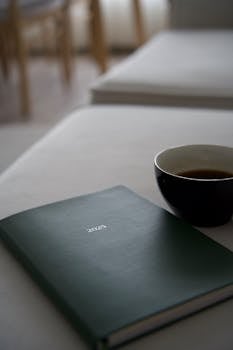
Shifting routines never felt so relevant. Juggling responsibilities, travel, and creativity means adapting modern lifestyle strategies to avoid burnout and keep pace with changing priorities.
Adopting these approaches transforms not only flexibility, but also sharpens focus and decision-making. When our lives shift, what matters is keeping our structure while allowing ebb and flow.
If you want fresh, proven modern lifestyle strategies you can implement anywhere, this guide lays out practical steps and habits for a truly adaptive daily life. Let’s dive in.
Set a Baseline Routine So You Can Change It Without Stress
When you always have a fallback baseline, spontaneity stops feeling risky. Modern lifestyle strategies teach that a movable but stable routine makes transitions feel manageable.
Before changing locations or schedules, write a “core routine” with basic habits: wake time, essential work, movement, and meals. This is your default anchor wherever you are.
Take Inventory: Assess Your Current Daily Anchors
Look for repeating habits: maybe it’s brewing coffee, checking email, or morning stretching. Name three anchors, then confirm them out loud—“These are my reliable starts.”
By observing what sticks, you create a list you can transplant to new environments. Modern lifestyle strategies rely on this principle for consistency, even when circumstances change.
Documenting your three core actions lowers stress and prevents feeling lost in transition. Consider them as non-negotiables—the backbone of each day’s flow.
Apply the Baseline: Rituals You Can Use Anywhere
Imagine you’re checking into a new place—first, find a quiet corner to recreate one morning ritual. If it’s journaling, unpack your notebook and set your intention to write.
Modern lifestyle strategies such as this baseline method allow you to preserve identity no matter where you sleep. Start the morning as usual, then add new habits gradually if you wish.
This gives your brain a cue that “normal life” continues—a tip from adaptive travelers who swear by recreating small rituals overseas, like meditative walks or even brewing their favorite tea.
| Core Habit | Portable Tool | Sample Script | Takeaway |
|---|---|---|---|
| Morning journaling | Pocket-sized notebook | “I write two sentences after waking.” | Always journal in the same way to signal day’s start |
| Stretching | Yoga mat or towel | “Ten stretches before breakfast.” | Short physical ritual boosts energy anywhere |
| Focus session | Noise-canceling headphones | “Playlist on, block distractions.” | Consistent focus triggers maintain productivity |
| Hydration | Reusable water bottle | “Drink before doing anything else.” | Hydration is a grounding, health-first anchor |
| Walk outdoors | Comfortable shoes | “Quick stroll after lunch.” | Moving habit triggers reset and clears the mind |
Create Flexible Systems for Getting Work and Rest Done Anywhere
A system means you know what to do, regardless of mood or location. Using modern lifestyle strategies, you can build productivity patterns that travel with you.
Write down your work steps—like “make coffee, brainstorm, write draft, review”—and keep them in a pocket planner for reference when you arrive somewhere new.
Prioritize Tasks With a Portable Checklist
Switching places or schedules means things slip. A checklist solves that. For instance, “Brainstorm one idea, email one contact, read one new article.”
Modern lifestyle strategies recommend brief priority lists—if you finish your top three, count it as a win. This reduces guilt and prevents over-scheduling while traveling or shifting environments.
- Define three daily goals: Keeps priorities visible, limits overwhelm. Jot them on a sticky note for your workspace each morning.
- Batch tasks: Complete similar types of work together (emails, then writing) to minimize context-switching and increase efficiency on the go.
- Use time blocks: Dedicate set times for each focus area (for example, 10-11 am is only for creative work); creates mental certainty in new routines.
- Take regular micro-breaks: Schedule five-minute pauses after strenuous work chunks to refresh, stretch, and reset—critical for mental clarity in any locale.
- End with a small self-review: Each evening, note wins and improve for tomorrow. This helps maintain perspective and stay grounded when external structures shift.
Stay consistent by reviewing your checklist at the same time daily. This forms an adaptable foundation for work across any time zone.
Balance Rest and Activity With Visual Cues
Color-coding your day alerts you and your brain to “rest” versus “work” spells. For example, blue stickers for rest periods, red for work blocks.
Modern lifestyle strategies support using an analog clock or digital calendar with visual cues, so you don’t need to remember—just follow the pattern.
- Set blue sticker for lunch: Signals a conscious rest break, keeps energy steady. Place it on your planner or monitor as a visible stop sign.
- Choose soft lighting for downtime: Changes the mood instantly; dim your lights or use a small lamp to cue relaxation after work hours begin.
- Designate a chair for reading only: Assign a single chair or corner as your leisure space. Physically moving to it cues your mind it’s time for rest.
- Add a musical trigger: Play a favorite playlist when shifting to rest mode. Repeat this trigger until it’s habitually associated with downtime.
- Create a winding-down phrase: Say to yourself, “Day done, time to rest.” Enforces the psychological shift daily, which the brain will learn to expect.
Applied together, these techniques allow seamless transition between work and relaxation wherever you land, so stress stays manageable at all times.
Design Mini-Habits for Immediate Energy and Clarity
Instant action steps prevent indecision and keep momentum through the day. With modern lifestyle strategies, mini-habits anchor you even in new contexts.
Real examples: Set a one-minute timer to tidy your workspace, sip water every hour, or write a gratitude sentence at lunch. These actions become second nature.
Trigger Momentum With the Two-Minute Rule
Decide on one action you can complete in two minutes—like putting away your phone or wiping the desk. Start with it, then see if you naturally do more.
Using modern lifestyle strategies, stack these two-minute starts to break resistance and slide into bigger habits easily. Think of it like jump-starting a car—momentum begets momentum.
If you pause at the sink, say out loud, “Just refill my water bottle.” That micro-action then leads to prepping dinner, stacking healthy steps naturally.
Keep Decisions Simple With If-Then Prompts
Set clear cues: “If I wake up before 8, I stretch. If I hear my phone, I put it face-down.” These scripts lower mental load, making habits almost automatic.
Modern lifestyle strategies favor if-then plans because your brain skips negotiation. Try, “If I finish work by six, I call a friend.” Concrete language increases follow-through.
By keeping choices specific and executable, you avoid waffling and maintain momentum. This frees up energy for more creative pursuits—your mind is clear, not cluttered.
Apply Simple Frameworks to Navigate Shifting Priorities
When plans change, frameworks help you decide what stays and what shifts. Modern lifestyle strategies emphasize responsive planning—choose your rules, then adapt as needed.
For example, start each Monday by writing down your top project, one support task, and a learning focus. Keep this visible on your wall or laptop.
Respond to Curveballs With the OODA Loop
Use the “Observe, Orient, Decide, Act” sequence. When an unexpected event arises, name it, recall your core commitments, then make a quick decision on-the-fly.
This military-inspired framework, part of advanced modern lifestyle strategies, converts stress into agency: “Observe: Deadline shifted; Orient: Family still priority; Decide: Email quick update; Act: Move tasks.”
Apply it anytime you feel pulled in too many directions—OODA brings order, turning chaos into actionable next steps using clear priorities.
Visualize Your Week Like a Traffic Map
Picture Monday as the highway entrance ramp—merge slowly by focusing on one lane, like deep work or study. Keep other lanes restricted until you’re at speed.
This analogy from modern lifestyle strategies means assigning one goal per day, not everything at once. By Wednesday, open more lanes for meetings or calls.
Friday’s off-ramp could be reserved for reflection, review, and lighter creative projects. Mapping your week prevents overwhelming pileups and keeps movement smooth.
Build Resilient Boundaries and Keep Social Connection Thriving
Self-managed boundaries prevent overload while supporting meaningful connection. Modern lifestyle strategies involve shaping your environment for proactive social time, not passive isolation.
Set explicit “on” and “off” hours and share them with friends or coworkers. Say, “Available after 6 pm” or “Let’s do breakfast Thursdays.” Announcement sets expectation.
Use Connection Rituals to Stay Grounded
Send a daily “thinking of you” message to a relative, even when busy. It keeps relationships strong no matter how much you’re moving around or traveling.
Pick one weekly call—same time each week—with a close friend. Treat this like a work meeting in your calendar, so your routine supports connection.
Modern lifestyle strategies show that keeping familiar voices in your life (by habit, not accident) helps you weather change with emotional steadiness.
Script Your “Boundary Speech” for Clarity
Say, “I’m offline tonight but free after noon tomorrow. Let’s talk then.” This script signals caring and boundaries at once—people learn to respect both.
Write three scripts in advance for work, friends, and family scenarios. Keep them handy, repeat as needed, adjust the wording as relationships deepen or work changes.
Practicing clear, gentle language leads to mutual respect. Modern lifestyle strategies teach that the more you use this, the easier it gets for everyone involved.
Steady Your Focus and Limit Digital Distraction on the Go
Momentum matters. Modern lifestyle strategies recommend setting fixed focus times—like 20 minutes of “deep work”—using a timer or visual cue to maintain attention.
Put devices out of eyesight and turn off non-essential notifications. Noise is enemy number one for maintaining deep focus in variable spaces or while traveling.
Anchor Attention With a Trigger Item
Choose one object only used during work—maybe a specific notebook or lamp. Place it before you begin, touch it to activate your routine, stow it after finishing.
This physical anchor, a trick from top modern lifestyle strategies, tells your brain it’s time to focus regardless of other cues. Over time, your mind associates that item with high performance.
If you catch yourself distracted, return to your trigger object and say, “Time to focus.” This mental reset cuts through disruption and channels attention swiftly.
Batch Digital Tasks for Less Context-Switching
Divide digital work—messages, news, browsing—into set periods. For example, process all emails twice daily, not every hour. This reduces stress and multiplies free time for deep focus.
Modern lifestyle strategies favor “batching” since opening dozens of digital tabs scatters the mind. Finish one type of task before checking another to extend energy and satisfaction.
This simple change pays off: check messages intentionally, then close your inbox. Notice the relief and efficiency that naturally follows since your attention stays singular.
Update and Personalize Your Flexible Plan Every Week
Modern lifestyle strategies succeed when you review, refine, and personalize over time. Reserve ten minutes every weekend to reflect and reset your plan for the coming days.
Add or subtract routines based on results: If fatigue lingers, lighten the schedule. If motivation peaks, push creative or challenging tasks to the front of each day.
Keep a short written review—wins, lessons, and wishes for next week. Pin it to your workspace or snap a photo for your device.
Doing this weekly keeps your strategy from feeling stale and ensures modern lifestyle strategies fit your actual life, not a fixed script.
The more responsive you are to your patterns, the more sustainable your flexibility becomes. This builds personal confidence and practical momentum week by week.
Integrate Practical Tactics Into Your Daily Flow
Review the best tactics for turning modern lifestyle strategies into natural, everyday habits. This approach blends psychological cues, environment tweaks, and simple scripts for sustained results.
Building just one or two of these into your week helps you adapt quickly while deepening the benefits over time.
- Choose a start signal for every habit: Try humming a tune or saying “begin.” Your brain will treat this pattern as a genuine launchpad for new behaviors.
- Write micro-goals for your phone lock screen: “Stretch once, drink twice, send thanks.” Visual cues boost recall, and seeing your mini-list increases follow-through.
- Adjust room setup nightly: Rearranging desk or light position overnight breaks monotony, setting up each day for a fresh approach—ideal for those using modern lifestyle strategies over weeks or months.
- Gift yourself a pause: Every three hours, take a moment to look outside, inhale deeply, and let your mind wander. Scheduled pauses foster new insights and reduce decision fatigue.
- Share your plan with a partner: Tell a friend your key routines, then ask for mutual check-ins. Regular sharing multiplies accountability and helps troubleshoot changes in real time.
By combining these techniques, your flexible lifestyle strategies will support continuous improvement and deeper satisfaction—wherever life leads you next.
Refining Your Flexible Lifestyle Strategies for Modern Living
Every adaptable step you take becomes a new opportunity for learning and growth. Modern lifestyle strategies aren’t magic—they’re frameworks for acting with intention even as things shift.
Your priorities will change, but a toolkit of habits, scripts, and reviews means you stay grounded and productive. Adaptation isn’t chaos; it’s your custom-developed rhythm for living well.
Trust your learning process. Consistent practice of modern lifestyle strategies will help you enjoy structure and freedom wherever you are. Keep optimizing daily—you’ll see results in every area of life.