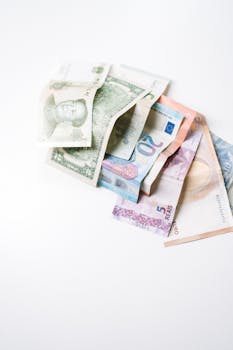
Traveling abroad for the first time is an adventure filled with excitement, new experiences, and important decisions, especially if you want smart financial tips travel veterans depend on.
Managing money across borders matters because currency, costs, and banking rules change fast. Mistakes can get expensive. Preparation prevents headaches and keeps your trip on track.
Discover clear, actionable financial tips travel experts swear by. Armed with these insights, you’ll handle money smarter, reduce fees, and grow your confidence for every international journey.
Setting Up Your Travel Finances for Real-World Security
Start with a solid financial foundation so your journey stays fun, not stressful. This means prepping cards, cash, and banking access well before your flight leaves.
Update your bank about your destination and dates. Make sure online banking and transaction alerts are on, so you catch issues early and stay in control the whole trip.
Double-Check Your Card Coverage Before You Go
Call your cards’ customer service and add travel notifications for every country you’ll visit. This minimizes surprise declines and avoids fraud holds at inconvenient moments.
Test your cards with a small purchase abroad, if possible. You’ll confirm they work and spot any hidden fees. If issues arise, solve them before leaving home.
Get a backup debit and credit card, stored in separate bags. That way, lost or stolen wallets don’t derail your travel or force desperate emails home for money.
Convert an Initial Emergency Cash Stash
Secure at least $100 to $200 in local currency for your landing day. Pick bills small enough for taxis, snacks, and emergencies before you find an ATM or bank.
Ask your bank for favorable exchange rates on this first cash batch. If rates are steep, compare rates at arrival airports and exchange bureaus—but read all service fee details first.
Keep this cash hidden and separate from daily spending money. Analogous to having a tire jack in your trunk, you won’t need it daily but it keeps surprises manageable.
| Tool | Purpose | Setup Step | Takeaway |
|---|---|---|---|
| Primary Debit Card | ATM withdrawals, routine payments | Set travel alerts, check fees | Know daily withdrawal limits and reduce fraud risk |
| Primary Credit Card | Larger purchases or emergencies | Notify issuer, monitor for international fees | Use for hotel deposits and car rentals safely |
| Backup Credit Card | Loss or card blocks | Store separately, activate PIN | Ensures backup is ready if main cards are compromised |
| Prepaid Travel Card | Budget control, spend tracking | Top up before leaving, check reload options | Lets you cap daily spending and is easy to replace if lost |
| Local Currency | Cash payments, emergencies | Get small denominations, use sealed pouch | Essential for first hours and places without cards |
Budgeting for Daily Expenses in Foreign Environments
Plan your basic daily spending before wheels up. This means researching costs, building a travel budget, and using tools that track spending while abroad for true peace of mind.
Set a daily limit for food, attractions, transport, and unstructured moments—those spontaneous detours or extra coffees. Consistent attention keeps your overall financial tips travel strategy on course.
Techniques to Prevent Overspending
Use apps that set spending alerts when you get close to your preset daily cap. Review those summaries each night and tweak tomorrow’s limits as needed.
Keep a physical receipt envelope in your day bag. Collect receipts for each meal and ride. A quick nightly review flags where cash disappears fastest.
- Set a cash envelope method for small expenses; when it’s empty, pause your day or adjust your plans transparently.
- Screenshot ATM withdrawal totals and note them by day in a travel journal, making fees visible to track patterns over the week.
- Batch similar purchases, like all snacks or transit fares, on a single card. This condenses transactions and reveals real cost trends after a day or two.
- Use a 24-hour delay before large purchases. If you still want something tomorrow, buy it. This curbs afternoon splurges on souvenirs or electronics.
- Practice a partner check with your travel buddy. Say aloud, “We’ve hit our budget today,” to reinforce shared limits and reduce impulse spending.
Overseas budgeting can feel like herding cats, but daily attention trains you to spot drift early and correct before problems snowball.
Pocket Change Adds Up—Account for Miscellaneous Fees
Review all posted fees wherever you spend, especially for ATMs, transit cards, and museum entry. Even $2 per transaction builds up if left unchecked.
Ask locals for hidden costs. For example, you might hear, “Every metro ride has a 50-cent card deposit.” Plan these into daily totals discreetly.
- Request pricing details before paying for taxis or rideshares to avoid sudden surprise surcharges, especially at airports and tourist zones.
- Pay entrance or city taxes at hotels upfront. Request a receipt and add this to your daily lodging budget for full visibility later.
- Set a laundry and mobile data fund. These out-of-pocket charges can eat into daily budgets if forgotten during financial tips travel check-ins.
- Stock up on reusable water bottles and street snacks for value. Ask street vendors for the local price before placing orders to avoid the “tourist premium.”
- Monitor local bank ATM fees—not just your bank’s, but also those from machines you use abroad—to spot patterns and adjust how often you withdraw.
Use these strategies to tame the “nickel-and-dime” effect that quietly erodes even well-crafted financial tips travel plans abroad.
Protecting Your Finances from International Scams and Emergencies
Following detailed safety systems shields your travel money against theft, scams, or sudden needs for quick access. Adopt traveler-specific routines for resilient financial tips travel strategies.
The moment you land, remind yourself: safe habits, every day. Set rituals that include regular account checks and prompt responses to banking alerts.
Divide and Hide Your Money Smartly
Split your cash and cards between two places—pockets, bags, or even a money belt. Never show your full wallet in public; keep decoys minimal.
If you’re pickpocketed at a market, you’ll still have backup money safe in your hotel. That safety net brings real calm to new locations and busy crowds.
Copy essential card details and emergency contacts on paper and cloud—secure, but fast to reach. If cards are lost, use this backup to call your bank instantly.
Respond Decisively When Something Goes Wrong
The moment you notice a card missing or unauthorized charge, freeze your account with a banking app. Don’t wait until you’re back at your hotel at night.
Report incidents at the nearest police station for official documentation. Keep copies. Real travelers say, “the paperwork helped my insurer and embassy act quickly.”
Reach out to family with your updated location and situation as soon as possible. Even a text like, “All safe, but lost my wallet. Sorting it out now,” helps coordinate support.
Adapting to Local Money Culture and Spending Styles
Immersing yourself in a country’s money habits sharpens your budget instincts. Observe locals and adjust your financial tips travel approach—especially in markets or small businesses.
Watch how shopkeepers and commuters pay—cash, card, or mobile? Copy their patterns to blend in, gaining fair prices and avoiding awkward payment delays or confusion.
Negotiation Know-How for Open Air Markets
Get comfortable saying, “Best price please,” with a confident smile. If you walk away, some vendors reduce their first quote to close the sale immediately.
Check the price for locals nearby. Say, “I saw this for less around the corner,” to gently encourage a fair deal. Vendors respect informed buyers who play fair and friendly.
Swap high bill denominations for exact change early, because merchants sometimes “forget” to carry small notes—a travel tip that protects your spending power for the whole day.
Switch Up Your Payment Methods for Savings
Adopt local mobile payment apps when viable, learning the onboarding process directly from locals if you need guidance. Sometimes cash-only zones offer better deals or group discounts.
Use card tap-to-pay on public transit, since buying old-fashioned paper tickets may cost extra or take longer at busy stations. Try both and choose the smoother, cheaper path.
Track which stores or services offer “cash discount” signage. When possible, ask, “Is there a cash price?” This simple habit uncovers extra savings and stretches your financial tips travel resources farther.
Keeping Fees Down and Exchange Rates Favorable
Earning the best return on every dollar starts by side-stepping hidden charges and getting ahead of currency swings. Let’s boost your financial tips travel efficiency abroad.
Prioritize cards with zero foreign transaction fees. If your main card charges, check your bank’s partner ATM network in your destination for lower-cost withdrawals.
- Check rates at multiple exchange points—airport kiosks, banks, local money exchangers—and choose the lowest total cost per dollar swapped.
- Time exchanges for early in the day. Supplies of small bills diminish later, so act before lunch for a smoother, fairer deal.
- Watch for “dynamic currency conversion” traps at stores or ATMs; always opt to pay in the local currency, not your home dollar. This saves up to 5% per transaction.
- Ask for ATM receipts and check conversion rates there. If the markup seems high, cancel the withdrawal, move to another ATM, and compare rates live before accepting any offer.
- Use the real mid-market rate as published by reliable financial apps. When transferring between accounts, set an alert for favorable swings and send money when rates peak.
Each small tweak adds up, making your financial tips travel approach agile and effective for every new border you cross.
Prioritizing Health, Insurance, and Emergency Access
Travel health doesn’t stop at insurance cards—your financial tips travel safety net hinges on readiness for urgent clinics, prescriptions, or hospital deposits.
Research the local payment norms for doctors, clinics, and pharmacies. Cash-only? Card accepted? Pre-pay required for visitors? Learn the rules and prep funds accordingly.
- Photocopy your medical and travel policy cards, sealed in your passport pouch, for quick verification under stress.
- Carry a small emergency fund—enough for a public hospital visit—in addition to daily cash envelopes. Explain why you separate these, so loved ones can help if you use it.
- Secure a doctor or translator contact number through your insurance or consulate. Save it in your phone as “Clinic Help” for fast dialing during emergencies.
- Preload an online wallet or prepaid card that works for local medical payments, and know recharge steps in your home currency by heart.
- Identify pharmacies open after business hours. Mark locations on your phone map; screenshot as backup, so you’re always prepared for late-night accidents or illnesses.
This broad safety prep solidifies the value of proactive financial tips travel preparation beyond just lodging and sightseeing costs.
Growing Your Global Money Confidence with Every Trip
Embracing the full financial tips travel learning curve means choosing new strategies and refining old ones. Each journey refines your toolkit and multiplies peace of mind abroad.
Seasoned travelers say, “I’m stricter about cash splits, more curious about local payment hacks, and always share my ATM insights with other travelers over dinner.”
Review trip notes after each country. What worked—envelopes, daily alerts, partner ATM networks—keep for next time. Troubleshoot what failed so you don’t repeat errors abroad.
Soon, money habits like double-checking rates, recording small fees, and asking for the local price come naturally without conscious effort. Consistent tweaks sharpen your global financial tips travel sense.
With steady attention and a spirit of curiosity, each new country makes you wiser and more proactive, paving the way for even bigger, bolder journeys next time.