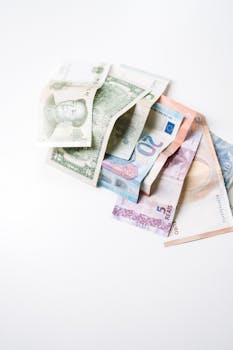
Stepping into a new country brings excitement, but unfamiliar ground can trip up even savvy travelers. Hidden costs, currency changes, and financial mistakes abroad sneak in easily if you’re not alert.
When managing money away from home, different rules, customs, and systems can throw off even solid routines. Many people realize too late that habits from home don’t always work overseas.
Dive into this guide to spot, avoid, and confidently handle financial mistakes abroad before they threaten your travel plans or your wallet.
Building a Reliable Budget Before Departure Saves Real Money
Planning a detailed budget before leaving home is the single best way to avoid most financial mistakes abroad. Preparation turns guesswork into strategy.
Use breakdowns by category—housing, food, transportation, health—to understand the true cost of daily living and avoid typical miscalculations that derail budgets abroad.
Researching Local Costs Yields Better Predictability
Start with independent research instead of relying on averages or anecdotes. For example, someone might notice, “Groceries cost a third more here than at home.” Validate with receipts or price-checking apps.
Neighborhoods vary widely. Affordable markets in one city block might be wiped out by tourist traps two blocks over. Compare areas where you’ll actually be spending your time.
Small data points add up. A $2 daily snack snowballs to over $700 per year. Tighten your budget for financial mistakes abroad by mapping all expenses, big or small.
Tracking Exchange Rates Protects Your Spending Power
Lock in rates before major purchases, if possible. Write down today’s exchange rate, then check again before trips or currency swaps. This prevents shocks at checkout.
Currency fluctuations hit hard when ignored. Picture someone hesitating at an ATM, worried, “Was $100 pulled at this rate—or last week’s?” Note rates at time of withdrawal.
Track totals in a notebook or secure app. Tallying funds in both currencies helps avoid financial mistakes abroad before ATM or bank visits sting your account.
| Expense Type | Home Country (USD) | Destination Country | Takeaway |
|---|---|---|---|
| Monthly Rent | $1,200 | $950 (converted) | Research current listings, not averages from expat forums. |
| Groceries | $300 | $380 | Visit markets and record average prices before moving. |
| Pulbic Transit | $90 | $120 | Check pass options or discounts for longer stays. |
| Mobile/Data | $60 | $30 | Compare prepaid against monthly contracts in-country. |
| Health Insurance | $250 | $145 | Clarify coverage gaps before you travel—not after arrival. |
Aligning Payment Methods with Local Norms Reduces Fees and Hassle
Stick to locally accepted payment options to prevent financial mistakes abroad like rejected cards, hidden surcharges, or surprise cash shortages at shops or restaurants.
Checking card compatibility, setting ATM plans, and learning about mobile payment popularity each sidesteps a different common pitfall for travelers.
Identifying Compatible Cards Speeds Up Transactions
Verify which networks (Visa, Mastercard, etc.) are taken in advance. Include backup options in case primary cards decline or vendor systems lag.
When asked “Do you accept international cards?” at a shop, read body language. Confusion signals risk—use cash or ask about other forms of payment straightaway.
- Set up a bank account with robust international coverage, so your card works seamlessly worldwide. Confirm with your provider before travel to avoid sudden blocks.
- Apply for at least two cards from different networks, such as Visa and Mastercard, since one could fail in a new country.
- Enable mobile wallet apps if locals favor them. Some destinations use QR-based payment everywhere, and not having the right app slows you down.
- Locate fee-free ATMs in advance, so you can withdraw cash at the best exchange rate. Save the ATM list on your phone for easy offline access.
- Contact your bank to set up travel alerts that prevent fraud alarms or freezing your account during necessary transactions in unfamiliar cities.
Always observe how locals pay at cafes and stores. If most reach for a QR code, join them or risk being left without a transaction path.
Staying Alert for Skimming and Payment Scams Adds Security
Watch for tampered card terminals and only use ATMs in secure buildings—not on quiet streets. Cover the keypad so hidden cameras don’t spot your PIN.
- Choose ATMs attached to major banks, as free-standing machines can be more vulnerable to skimming devices.
- Inspect card readers for loose parts or unusual overlays before inserting your card. Move to another machine if anything seems off.
- Refuse assistance from strangers who offer unsolicited help at machines. Politely decline and wait for the person to leave.
- Pay inside establishments whenever possible—outdoor terminals may be riskier and less monitored by staff.
- Request printed receipts to check for suspicious charges before leaving a location, keeping digital or paper copies for your records.
Smart security routines like these let you minimize the risk of becoming an easy target for financial mistakes abroad caused by theft or fraud.
Adapting to Unpredictable Expenses Prevents Budget Breakdown
Staying flexible and learning from past mishaps means you’re prepared—not panicking—when actual costs differ from your budget. Consistent adjustments help you avoid financial mistakes abroad as situations change.
Prioritizing Essentials Keeps Spending Focused
Distinguish between must-pay items, like housing or food, and flexible costs, like tours or gifts. Say, “I’ll only splurge if I save double elsewhere this month.” Stick to this rule for discipline.
List top three priorities each month and check if recent expenses align. If extras sneak in, decide if they’re really worth dropping a priority. Apply this approach every pay period.
When an expense feels impulsive, take a ten-minute walk. This delay lets emotions settle and prevents hasty financial mistakes abroad that feel silly later.
Handling Financial Surprises Smoothly Limits Stress
Keep a separate emergency fund labeled for “unexpected abroad.” If a train strike forces you into last-minute hotels, you have peace of mind instead of pure panic.
Quickly recalculate your new budget after surprise expenses. Write, for example, “Missed connection=$250 extra, so reduce dining out by $50/week for next 5 weeks.” Simple adjustments put power back in your hands.
Stay open to new, lower-cost options: cook at home, ride-share, or explore local discount cards. Each solution buys flexibility if financial mistakes abroad cost more than expected.
Keeping Your Finances on Track Abroad Yields Lasting Rewards
Taking small, consistent steps—researching costs, aligning payment methods, adjusting to surprises—spares you the stress of the most frequent financial mistakes abroad.
Smart habits don’t just patch holes; they shape a travel experience where your money works for you. Each lesson learned today creates freedom and confidence for your next international adventure.
Be proactive, adapt to new contexts, and track your numbers. Every action helps you avoid financial mistakes abroad, protecting both your wallet and your peace of mind with every border you cross.