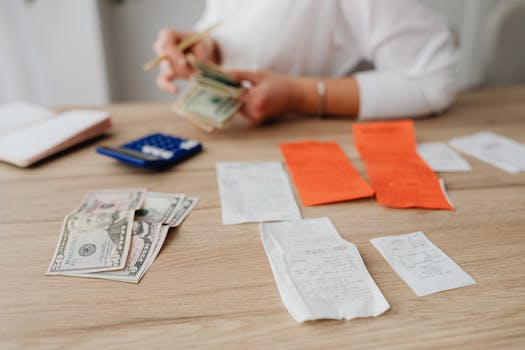
Moving abroad feels thrilling, but daily costs can surprise even experienced travelers. Learning to reduce expenses abroad can make every new destination more enjoyable and less stressful.
Managing money effectively across borders lets you explore more places, meet goals, and avoid unwanted financial surprises. Knowing a few local tricks ensures your budget stretches further from each paycheck.
Ready to see real-life steps, practical checklists, and everyday examples for reducing costs internationally? Dive into these proven strategies and pick the ones that make sense for your lifestyle now.
Embracing Local Solutions for Everyday Purchases
Start by seeking out local brands and shops, since foreign chains nearly always cost more. This practical step drastically reduces expenses abroad, especially in markets with high import taxes.
Joining local loyalty programs or markets means you pay what residents do—not inflated visitor rates. Remember to try this on your next grocery run for an immediate cost drop.
Switching to Community Transit as Your Main Mode
Many new arrivals default to taxis or ride apps. Instead, most cities offer buses, trams, or trains that cost a fraction and serve the same routes reliably.
Notice how locals signal for a bus or buy electronic passes. Ask, “Can I get a weekly ticket for all routes?” and mimic their payment for real savings.
Reduce expenses abroad further by downloading city transit maps and checking online for fare discounts or quieter travel hours before committing to a monthly pass.
Exploring Local Grocer and Market Networks
Inexpensive staples come from weekend markets or produce stands. Choose fresh items in season and ask for “what’s cheapest today?” in a friendly tone for extra deals.
Carry reusable bags like locals and skip imported foods. This quick switch not only cuts costs but helps you learn everyday language and customs along the way.
If you spot regular discounts on basic goods—rice, bread, or fruits—stock up at once to smooth out price spikes and reduce expenses abroad over each month.
| Product Type | Local Store Price | Chain Store Price | Takeaway for Travelers |
|---|---|---|---|
| Vegetables (per lb) | $1.50 | $3.10 | Buy from local stands whenever possible |
| Bread (loaf) | $0.80 | $2.00 | Prefer neighborhood bakeries to supermarkets |
| Bus Ticket (single) | $0.60 | $1.50 (app ride) | Use public buses, save dollars every week |
| SIM Card (30 days) | $8.00 | $25.00 | Pick up local SIMs, avoid international plans |
| Grocery Staples | $18.00/week | $32.00/week | Mix markets and small shops to keep bill low |
Streamlining Recurring Expenses: Subscription, Utilities, and More
Audit every subscription or recurring bill after you move. Reduce expenses abroad by cutting duplicate entertainment services, unneeded insurance, and unused software subscriptions.
Many utilities charge extra for paper bills, late payments, or upgrades. Switching to auto-pay, choosing e-statements, and paying before deadlines can add up to big yearly savings.
Negotiating Monthly Rent Effectively
Landlords may expect negotiation. Say, “Would a longer contract lower my rent by $50 a month?” or “The apartment across the street is $100 less—can you match it?”
Flexibility on move-in dates and minor repairs shows you’re considerate, often leading owners to drop rent. Have local rental websites handy for market comparisons.
- Offer to pay several months upfront when it helps lower rent, showing commitment while securing a discount and reducing expenses abroad immediately.
- Ask to exclude some furnishings if you don’t need them; empty properties are usually cheaper and let you personalize your space easily.
- Check for hidden charges on water, association, or maintenance—insist on a written breakdown to stay within budget with no surprises each month.
- Join neighborhood expat forums to learn price trends and current bargains, then use actual figures in your negotiations for stronger leverage.
- If the first offer doesn’t work, politely thank the landlord, then update your search; patience usually nets you a better rate over a few days.
Even a small rent cut frees up cash instantly, giving you more flexibility to enjoy your new surroundings or save for emergencies as you reduce expenses abroad.
Cutting Hidden Utility Costs
Utilities like internet and electricity vary widely. Ask neighbors, “What do you pay for power each month?” to spot inflated bills or bundled services you don’t need.
Record meter readings when you move in and keep electronic copies of each bill. Discrepancies usually vanish if you mention detailed notes and address politely in your first language.
- Switch to government-recommended electricity plans when available, as these tend to be cheaper than private bundles for basic living needs and budget efficiency.
- Request energy-efficient light bulbs from your landlord, reducing electricity use noticeably, especially in longer stays and during high-temperature seasons.
- Negotiate with internet providers for “local” rates instead of advertised tourist pricing; online chat or phone calls in the evening get faster responses.
- Avoid cable packages—local streaming or free platforms suit most expats and travelers, instantly reducing monthly costs for entertainment.
- Bundle utility payments where possible; discounts may apply for full-pay users, and it limits late fees that quietly increase your monthly spend.
Each recurring bill you shrink puts more money back in your pocket and, over a year, makes a big difference in your ongoing ability to reduce expenses abroad.
Adopting Smart Food and Dining Habits Like a Local
Replicating local dining culture can quickly help you reduce expenses abroad. Eat where locals eat and adjust mealtimes to local customs for budget-friendly, authentic experiences.
Learning to Navigate Local “Menu of the Day” Deals
If daily set lunches exist, they usually come with soup, main, and drink for a bargain price. Politely ask, “What’s today’s menu?” or point at what locals order.
Bringing cash and paying promptly, like regulars do, helps you blend in and often gets you better service and portions for the same price.
The best way to reduce expenses abroad is to try a new cafeteria or market eatery weekly. You’ll discover filling, affordable meals and become part of the community.
Preparing Local Staples at Home
Watch what people buy at markets: grains, beans, produce, and spices make up the core of most affordable home-cooked meals abroad.
Ask, “Can you recommend a recipe with these beans?” Local cooks love sharing favorite dishes—now you replicate them, spend less, and build skills as you reduce expenses abroad.
Batch-cook or prepare meals in advance before busy days. Doing this keeps you from expensive restaurant visits and gives you more flexibility for healthy living abroad.
Building Strong Social Connections—Without Overspending
When you move, social outings can drain your wallet quickly. Reduce expenses abroad by shifting meetups to parks, free events, or home-cooked meals instead of pricey bars or restaurants.
Suggest group activities where everyone brings a dish or drink. This lowers costs, sparks conversations, and introduces you to family recipes and traditions in natural, friendly settings.
Arranging Weekly Activity Swaps
Join local clubs or online groups focused on hiking, language exchanges, or fitness. These gatherings usually ask for no more than a $2–$3 contribution for snacks or equipment.
Each new friend brings a tip for local bargains. Say, “Where do you get the best fresh fruit?” and use their advice to further reduce expenses abroad.
Build routines, such as once-a-week market walks or city picnics, that are high value and low cost—these quickly become the highlight of your week.
Alternating Roles as Host and Guest
Invite new friends to your home for simple dinners where everyone contributes a dish. It shows respect for different tastes and keeps spending fair for all attendees.
Accept invitations when offered, and reciprocate in small but thoughtful ways: a homemade dessert, a card, or offering to help clean up afterward.
Over time, you’ll develop a vibrant, supportive circle, making it easier to reduce expenses abroad without sacrificing meaningful connections or experiences in your new home.
Optimizing Your Money Transfers and Currency Decisions
Reducing expenses abroad includes planning how you move money and handle currency. Pick the right transfer services and withdrawal strategies to maximize every dollar earned or exchanged.
Monitor exchange rates and adjust transfer amounts or timing to benefit from favorable movements. This step helps you stretch each remittance and avoid unnecessary, hidden fees.
Choosing the Best Withdrawal and Transfer Methods
Identify banks offering free or low-fee ATM withdrawals, or open a multi-currency account in your host country to limit conversion markups.
Set up digital alerts for currency spikes or dips so you proactively reduce expenses abroad, moving funds only when rates are in your favor and fees low.
If a provider raises fees, don’t hesitate to switch—alternatives may offer your first few transfers free, adding immediate cash back to your monthly budget.
Timing Transfers Based on Local Needs
Sync larger remittances with high exchange rates and upcoming bills to optimize value. It’s worth delaying by a day or two if it means savings add up quickly.
Jot down monthly expense patterns—when rent, utilities, or tuition are due. Combine payments when practical, minimizing both your transactional load and foreign exchange drains.
Keeping a written currency diary gives a clear picture of real expenses, helping you reduce expenses abroad through continuous improvement and smarter timing choices.
Seizing Discount Opportunities with Everyday Actions
Finding discounts is a proactive habit you can build anywhere. Reduce expenses abroad by joining local mailing lists, loyalty programs, and staying alert to pop-up promotions or student deals.
Carry your ID and local transit cards, as many attractions or retailers offer location-based or age-based rates. It pays to ask politely, “Is there a discount for new residents?”
- Sign up for supermarket loyalty programs when you arrive; extra points or discounts on bulk buys quickly cut grocery costs for regular shoppers abroad.
- Check local apps or message boards daily for flash sales on household items, transport passes, or local events—early birds typically grab the best deals.
- Volunteer at cultural festivals, exhibitions, or charity events to earn free entry or meal vouchers, reducing entertainment expenses while meeting new people.
- Pick museum days when entrance is free or half price; this lets you explore more for less and stay inspired, even on a strict travel budget.
- Never assume memberships abroad are costly; talk to locals about clubs or community group benefits that open doors to discounts on classes, travel, and meals.
Building Financial Resilience for a Mobile Lifestyle
Maintaining flexibility and tracking daily spending habits are crucial for anyone looking to reduce expenses abroad. Document costs, review them monthly, and adjust course quickly as you gain experience.
Invest in habits that build resilience: automatic savings, emergency funds, and renewed budgets with every move or significant life change. Each step cushions the impact of unexpected costs.
- Use a simple expense app to categorize and review all transactions, revealing where to cut and where spending matches your values each month.
- Plan for surprises like medical bills or short-term moves by consigning 10–15% of your income to a separate interest-earning account.
- Schedule a monthly “budget night” for review and planning. This proactive touch keeps each decision focused on your long-term goals, not just short-term cost savings abroad.
- Adjust your budget right after a big life event—a new job, relocation, or unexpected family visit—marking changes and checking your path remains sustainable.
- Ask questions and compare notes with other travelers or expats. Shared experience uncovers fresh savings tips that keep you motivated and adaptable to new realities.
Living Well While Spending Less: Putting It All Together
Smart choices add up when you reduce expenses abroad, from shopping local to negotiating recurring bills and making the most of community resources every day.
Each strategy—from splitting bills to timing currency transfers or batch-cooking favorite dishes—turns daily habits into consistent cost savings and broader life enjoyment, wherever you land next.
Adopt these steps as you move between countries, and you’ll find your confidence—and your wallet—grow. Let the savings support your adventures and make each new home the best yet.