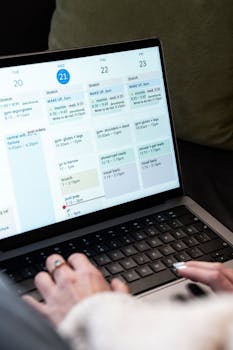
Small steps toward clearer routines feel less like a job and more like a breath of fresh air. Life organization simple systems are the backbone of lasting calm.
Feeling organized shouldn’t leave you tense or tired. Instead, practical approaches conquer chaos. This makes life flow smoother, freeing your mind for more important pursuits.
Discover life organization simple systems in action. You’ll find easy strategies, tools, and relatable steps within these sections — each one designed for real life, not just theory.
Creating a Personal Anchor for Daily Stability
An anchor task transforms scattered days into steady progress. For readers, this means a quick win before distractions appear, using life organization simple systems each morning.
Consistently starting with a chosen anchor builds confidence. Whether you make your bed, review a priority list, or prep breakfast, these actions reinforce your control and intention.
Choosing and Naming Your Anchor Task
Select one action completed in under ten minutes — tying shoes, prepping coffee, or jotting a single note. Call it your “starter” and repeat it every workday morning.
A busy mom might lay out outfits for herself and the kids before breakfast, saying, “Dressed equals less stress.” Small phrases like this create mental cues and foster consistency.
Students may check their schedule at the same time daily, making it as automatic as locking the door. With repetition, these anchor tasks weave into life organization simple systems seamlessly.
Assessing the Right Anchor For Your Lifestyle
Workers with unpredictable shifts favor portable anchors—like reviewing three priorities on their phone while commuting or sipping coffee. The best anchors are actionable in any scenario.
Remote freelancers say, “Email scan at 8 a.m., then I’m off social media.” This direct rule calms digital noise, creating boundaries through life organization simple systems.
Anchors suit any context. The key is making it visible and repeatable, so it naturally sets you up for order before anything can derail your morning focus.
| Anchor Task | Time Required | Scenario Fit | Takeaway |
|---|---|---|---|
| Make your bed | 3 min | Home morning | Kicks off productivity visually |
| List top 3 priorities | 5 min | Anywhere, anytime | Clarifies direction instantly |
| Leave water bottle by keys | 1 min | Busy schedules | Ensures hydration ritual |
| Quick tidy desk | 4 min | Students, office | Signals ready-to-work zone |
| Edit phone home screen | 2 min | Digital workers | Reduces digital clutter at first glance |
Building Micro-Habits That Stick All Week
Micro-habits let you sustain progress without draining willpower. These bite-sized actions pair perfectly with life organization simple systems for consistency, especially during busy or unpredictable weeks.
If you connect each micro-habit with a current routine — such as brushing teeth or brewing coffee — you’ll strengthen life organization simple systems through easy repetition.
Pairing Micro-Habits With Existing Activities
After brushing teeth, a three-breath pause centers your mind for the day’s first choice. This pattern links a basic need with intentional progress, fostering automatic life organization simple systems use.
Right after making coffee, scan your phone for the day’s one must-do. Simplifying your options this way trims down stress especially as your morning momentum builds up.
- Set a timer as you prep breakfast — choose a single to-do item and speak it aloud, reinforcing mindfulness in life organization simple systems and making priorities public for accountability.
- Roll up the yoga mat right after stretching — tidy up, signaling the end of the ritual and transitioning smoothly into the next part of your day.
- Tuck keys and wallet in a single basket after coming home — minimizes lost-item chaos, builds visual cues, and shortens stress when heading out again.
- Write down just one gratitude—do it before starting emails. It grounds you emotionally, reducing digital overload effects with the help of life organization simple systems.
- Prepare tomorrow’s lunch while cleaning dinner dishes — a forward-action micro-habit that makes future mornings run smoother while linking two back-to-back routines naturally.
Each pairing boosts reliability. When micro-habits attach to existing actions, they become second nature over time, layering more life organization simple systems into daily life.
Tracking Progress and Adjusting Habits Gently
A weekly check-in lets you see what’s working without harsh judgment. Marking small wins—like two more days tidying up or prepping a snack—validates your consistency.
When a micro-habit doesn’t fit, swap it. For instance, replace a late-evening email scan with leaving your phone in another room and dimming the lights for restfulness.
- Reflect every Sunday evening on what micro-habits felt easiest, then adjust one thing if stress increased—a flexible rule that encourages iteration in your life organization simple systems.
- Make a chart on paper and check off each successful pairing. Visual data gives proof of progress, fueling motivation week-to-week over empty promises or hope.
- Try one new micro-habit each month. Testing adds variety and reveals which routines blend naturally versus those that cause friction and extra fatigue.
- Share your updated micro-habit list with a partner or friend. Speaking commitments aloud builds accountability and invites positive feedback or reminders organically.
- Set a gentle phone alert titled “Celebrate Tiny Wins.” Pause to mentally reward improvements, making life organization simple systems enjoyable rather than a chore.
Tracking and adapting keeps life organization simple systems fresh, preventing stagnation so your whole week remains balanced and nimble as routines evolve.
Setting Boundaries That Protect Your Time and Energy
Clear boundaries offer relief from overload by limiting interruptions. Using life organization simple systems ensures your focus goes where you want, not wherever outside demands push you.
Scripted Responses to Recurring Demands
Instead of saying yes on autopilot, pause and use a prepared phrase. Try, “Let me check my schedule and get back to you,” or, “I focus on morning work first, let’s talk after lunch.”
These short, neutral scripts prevent surprise obligations from hijacking your attention. Repeating them builds a protective habit and makes life organization simple systems stronger each week.
Email boundaries apply too. A signature like, “I answer messages twice daily for clarity and efficiency,” guides others, keeps you calm, and shields key focus blocks for deep work.
Scripting Gentle Declines for Personal Space
When friends want quick favors outside your bandwidth, respond with, “Now isn’t ideal, but I’d love to catch up next Tuesday afternoon.” This sets gentle but real limits.
Body language reinforces your words — smiling and keeping arms relaxed while moving back slightly signals conviction without defensiveness or guilt. These cues fortify your boundary setting.
If situations become tense, silence after your statement shows you won’t bargain. Pausing keeps boundaries clear and lets you avoid accidental overcommitment, fortifying your life organization simple systems overall.
Organizing Digital Spaces for Less Screen Stress
Cleaning up your phone, computer, and online habits leaves you more time and mental room. Digital life organization simple systems save your focus for high-value work and meaningful breaks.
Set a single screen to “essentials only.” Drag non-urgent apps to a side page. This creates distance from distractions, and forms a pattern of mindful phone check-ins.
Designing Repeatable Digital Cleanup Routines
Every Friday, delete unused downloads, archive important emails, and empty the trash. A 15-minute block ensures digital clutter never snowballs, supporting wider life organization simple systems.
Batch tasks—move all unrelated files to a “sort later” folder. This clears the desktop fast while leaving deeper cleanup for scheduled sessions, not everyday gaps.
- Use search to find stray screenshots, delete them, then reward progress with a short walk—linking cleanup to a relaxing pause in your life organization simple systems flow.
- Turn off non-essential notifications during work hours. This tactic trims interruptive alerts, giving each focused block a fighting chance for real productivity.
- Pin essential apps—calendar, notes, file storage—to your home screen. Hiding social feeds or games keeps temptations out of sight and mind, reinforcing boundary skills.
- Unsubscribe once per week from newsletters that drain energy, freeing your inbox from accidental obligations and unaligned interests.
- Set up a calendar reminder titled, “Digital Checkup.” Fridays or Sundays work well. Completing this routine regularly reinforces wider life organization simple systems that support mental clarity.
Establishing Simple Weekly Review Sessions
Weekly review sessions make intentional living possible. With just twenty spare minutes, you can check on your commitments and recalibrate your life organization simple systems for the week ahead.
Structuring a Productive Review Session
Sit down with one sheet of blank paper. Jot down wins, ongoing projects, and lingering to-dos. Celebrating progress fosters gratitude before shifting to what needs focus or adjustment.
Look for friction points. Mark high-stress pauses or unfinished tasks. This spotlight helps you either redesign those steps, delegate, or drop the item for mental relief.
Cap your review by scheduling next week’s three priorities, anchoring them to specific routines in your life organization simple systems plan.
Resetting After a Challenging Week
If the past week felt relentless, circle two wins and one miss. Praise the wins, but for the miss, ask: “Is repeating this task truly necessary?”
Sometimes, letting go is a win by itself — making room for simpler, more effective systems. This realism strengthens each part of your weekly review template.
You might say, “Skipped workouts made me cranky, so I’ll move them to lunch hour instead.” Simple shifts like these make your whole life organization simple systems more humane.
Daily Routines: Linking Visual Cues to Action
Visual cues kickstart daily momentum. Strategic placement of notes, objects, or reminders creates frictionless pathways that make life organization simple systems easier to stick to.
Put a sticky note on your mirror that reads, “Pack gym bag now.” This cue moves you directly to your duffel instead of delaying — turning intent into repeatable behavior.
Building a Multi-Sensory Morning Routine
Lay a brightly-colored notebook next to your coffee mug for fast journaling. The visual match acts as an irresistible prompt to write one key reflection while sipping.
Choose a distinct ringtone for “start work” alarms. Pairing sound with action consciously transitions you out of idle mode into efficient effort, supporting life organization simple systems in busy environments.
Position a single lamp by your desk and switch it on only during deep work blocks. This lighting cue keeps productive effort compartmentalized and easier to resume after breaks.
Creating Reset Cues Throughout the Day
Set a recurring alert titled “breathe” every three hours. When it rings, stand up and do a slow stretch — resetting physical and mental tension as part of life organization simple systems.
Keep a snack basket on the counter, visible but limited. Grabbing a healthy snack becomes a mindful pause, marking the transition from one focus period to another.
End your day by closing your laptop and placing your phone face-down. This two-action sequence makes logging off decisive, separating work and personal boundaries for genuine rest.
Lifestyle Adjustments That Support Lasting Calm
Swapping frantic multitasking for single-task focus stabilizes both mood and results. Life organization simple systems thrive when your environment and language match your goals for calmness and clarity.
If you hear yourself say, “I’ll just start everything at once,” pause and replace that habit with, “I’ll finish this one thing, then decide what’s next.”
Simple Dialogues to Reframe Overwhelm
Try narrating your shift aloud: “Right now I sort bills, not messages.” This brings attention to your present task, and tightens your life organization simple systems on the fly.
If you start spiraling, use self-direction out loud: “Pause. Next, wash the dishes.” Even in public, quietly stating the next clear step trims anxiety and boosts focus.
Pairing these self-coaching scripts with visible reminders guarantees that new behaviors become strong habits. Every phrase anchors you in clarity instead of confusion or endless catch-up.
Embracing Simplicity for Consistent, Manageable Progress
Effective life organization simple systems don’t add effort— they restore calm through practical anchors, micro-habits, visible cues, and honest reviews that respect your real daily needs.
Every section here highlights a specific shift, turning scattered routines into clear, actionable steps. These systems skip complication and instead unlock balance for both work and home.
The beauty of life organization simple systems lies in their adaptability. Use these strategies today, adjust as your circumstances change, and enjoy steady results without the weight of overwhelm.